

Ferry Fuel Tanks – What Works and What Doesn't?
In my previous blogs, I explained some of the survival equipment I carry on long ocean crossings and briefly touched on another important part of professional ferry flying: ferry tanking.
Since then, I have had several pilots ask me more specific questions about auxiliary fuel tanks, so I thought I would share a little more of my experience.
After 27 years of full-time ferry flying around the world, I have had plenty of opportunity to see different solutions for carrying additional fuel.
And believe me, there have been some interesting ones!
The old days: aluminium ferry tanks
Twenty or more years ago, the traditional solution was often a welded aluminium ferry fuel tank. These tanks were expensive and could take considerable time to manufacture, but they were generally very well made.
A properly designed aluminium tank could incorporate internal baffles to reduce the movement of fuel as the aircraft moved through different attitudes and conditions.
For long-range aircraft ferry flights, that was a very solid solution.
The downside?
They were expensive, heavy compared with some newer alternatives, and not something you could simply pick up and put into an aircraft tomorrow morning.
Then came the increasingly popular Australian bladder tanks, often referred to as Turtle Packs.
The bladder tank solution
Bladder tanks certainly have some advantages.
They are flexible, relatively easy to transport and can be used in aircraft where installing a rigid tank would be difficult. However, I was never particularly enthusiastic about them.
I have seen situations where a bladder was damaged by sharp edges inside an aircraft after the interior had been removed.
The result is obviously not something you want to experience: fuel ending up where fuel definitely should not be.
The manufacturers have their own specifications and claims regarding durability and puncture resistance, but an aircraft interior can present a completely different environment from a test facility.
Once seats, panels and interior fittings are removed, you can discover some surprisingly sharp and unforgiving edges.
The “200-litre” problem
There is another issue with bladder tanks that I think is worth mentioning.
Put a bladder tank on a flat concrete floor and fill it with the advertised amount of fuel, and it looks rather like a large, very expensive pillow.
Put that same tank inside an aircraft and things change.
The bladder conforms to the shape of the fuselage, corners and sidewalls. The nice pillow shape disappears, and the actual usable capacity can be less than the manufacturer’s nominal capacity.
You also need to consider the fuel that cannot be completely recovered during flight.
Depending on the installation, some fuel can remain in the tank while the pumps eventually begin drawing air.
For that reason, if I were planning fuel calculations around a 200-litre bladder tank, I would be conservative and work with something in the region of 150–170 litres of usable fuel, rather than assuming every last litre is available.
That is a very important distinction when planning a long-range ferry flight.
Filling the bladder can be an adventure too!
Then there is the filling process.
If there is still air inside the bladder, filling it can result in air and fuel being displaced through the filling arrangement.
And yes, depending on the setup, you can end up wearing some of the fuel yourself.
It is one of those moments where you realise that the glamorous image of international ferry flying is perhaps slightly exaggerated!
The better you can flatten and position the bladder before filling, the less problematic this can become, but the aircraft interior does not always make that particularly easy.
So, what did I eventually prefer?
After trying different solutions over the years, I eventually found another option that suited many of the aircraft I was ferrying far better.
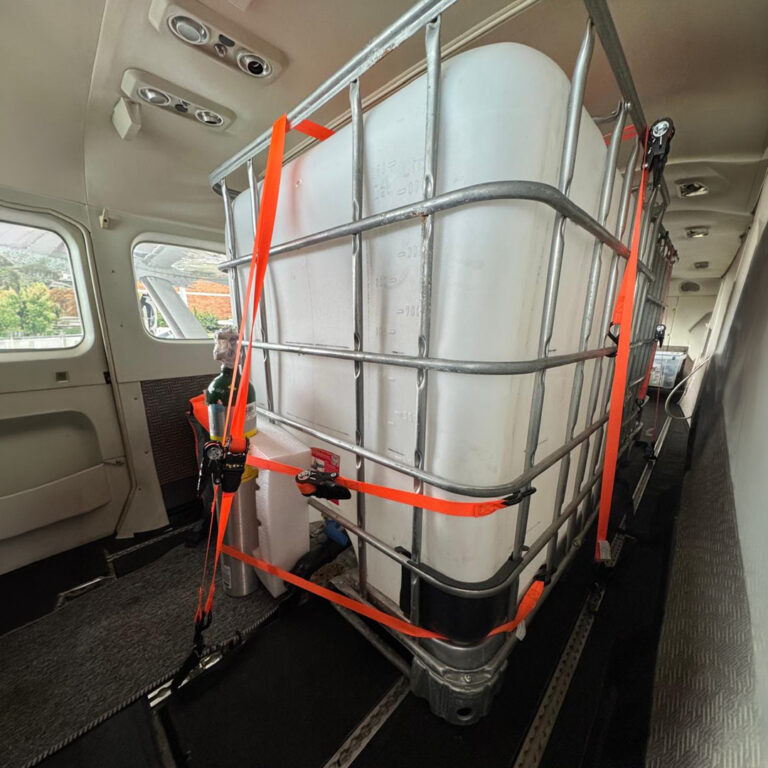
That solution was the IBC, or Intermediate Bulk Container, also commonly referred to as a Flow Tank.
I’ve been using these since around 2001.
And that is where the story gets interesting…

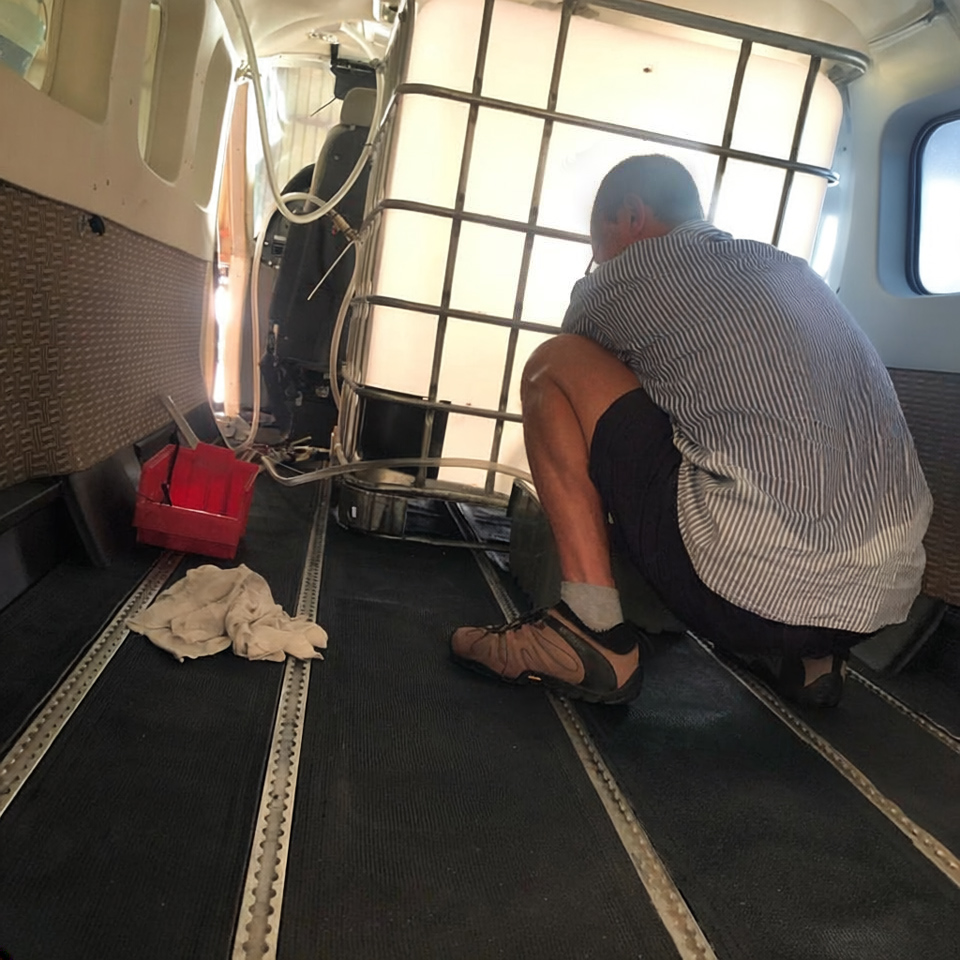
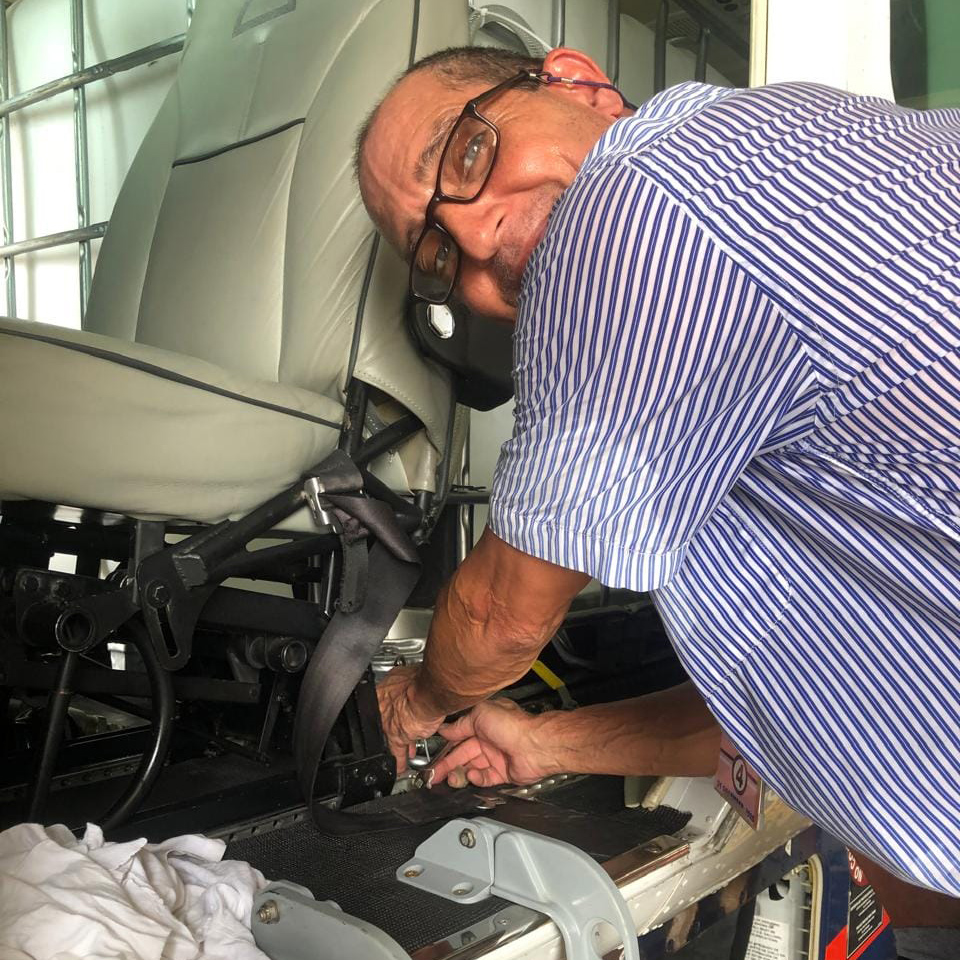
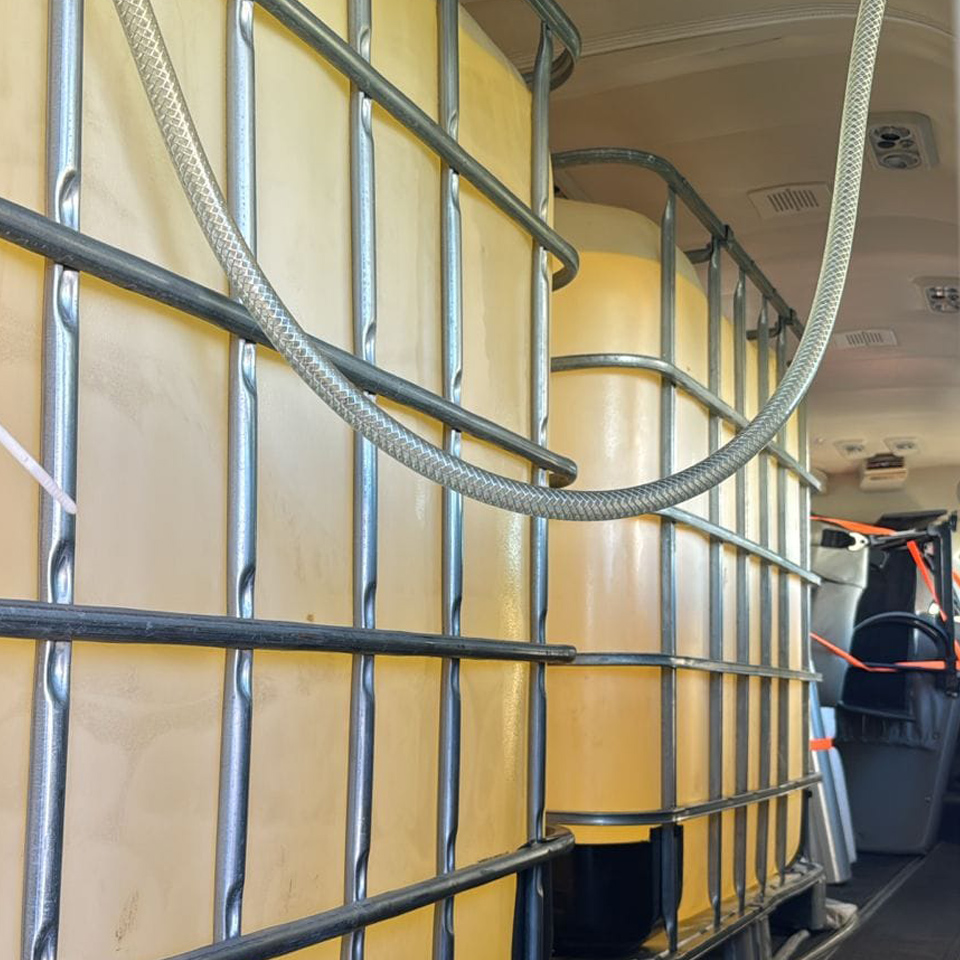

In the next blog, I will explain why I became such a fan of IBC/Flow Tanks, how they changed the way I approached ferry tanking, and why I have used them in aircraft ranging from Caravans and Twin Otters to CASA aircraft and King Airs.
Important note:
The information in this article reflects the author’s personal experience in professional aircraft ferry operations. Fuel systems and auxiliary fuel installations must comply with applicable aviation regulations, aircraft limitations, engineering requirements and approved procedures.