

The Ferry Pilot’s Dilemma:
Life Rafts, Long Ocean Crossings and Airline Baggage Rules
Another Day at the Office for a Ferry Pilot
Following my previous article about survival equipment for long oceanic ferry flights, I received even more questions from pilots who are not particularly familiar with professional, full-time ferry flying.
So, here are a few more insights from the other side of the cockpit door.
For those who don’t know me, I am Mick Helm, and I have been flying professionally as a full-time ferry pilot for the last 27 years, operating under the company brand Ferry Flights International Inc.
I did some ferry flying before that while working in corporate and executive charter operations around the world, but eventually ferry flying became the full-time job.
And, fortunately, it has been an entirely incident- and accident-free career.
I don’t put that down to luck. I put it down to being meticulous, not rushing, not cutting corners and, perhaps most importantly, not trying to win a job by being the cheapest person in the room.
Cheap in aviation can become very expensive
There is an old saying in aviation:
“If you think safety is expensive, try an accident.”
I have always believed that rushing a ferry flight, under-quoting the job or trying to save money in the wrong places is simply not worth it.
- You can buy another sandwich.
- You can wait another day.
- You can spend a little more money.
- An aircraft, unfortunately, is rather less forgiving.
Even when the aircraft is properly equipped with things such as de-icing systems and other equipment designed for adverse weather, I remain extremely conservative when it comes to weather. If there is serious weather ahead, I would much rather stay behind it than try to prove a point by pushing through.
Business aircraft and smaller commuter aircraft simply do not have the same weather capabilities as large commercial airliners.
There is no prize for arriving first.
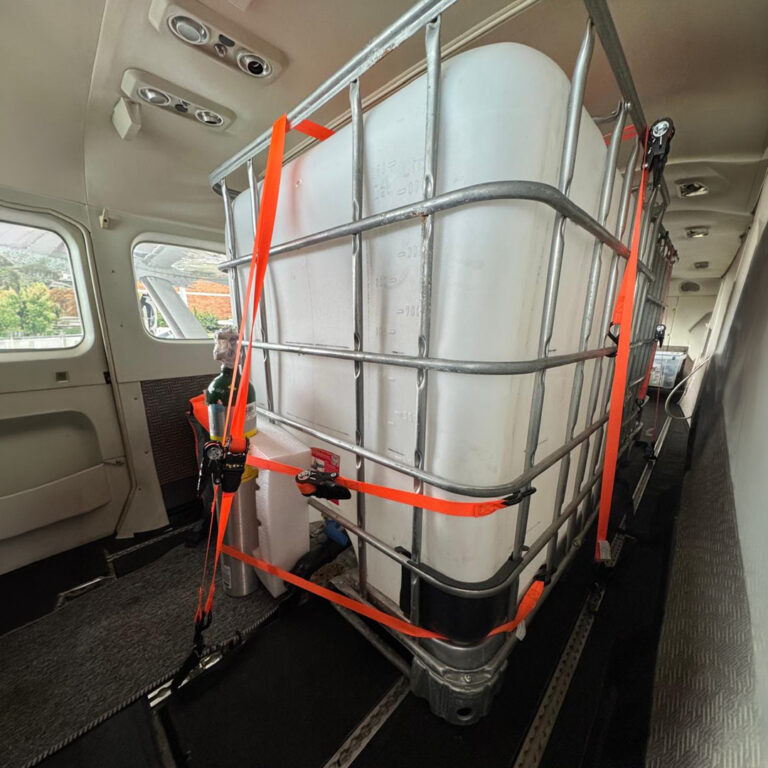
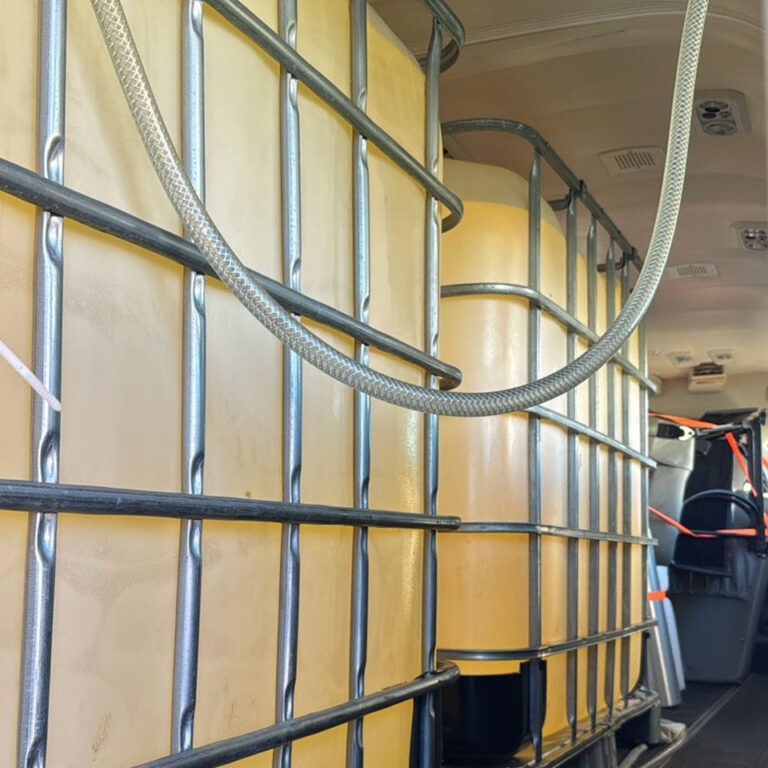
A Shorts 330 and a very long leg
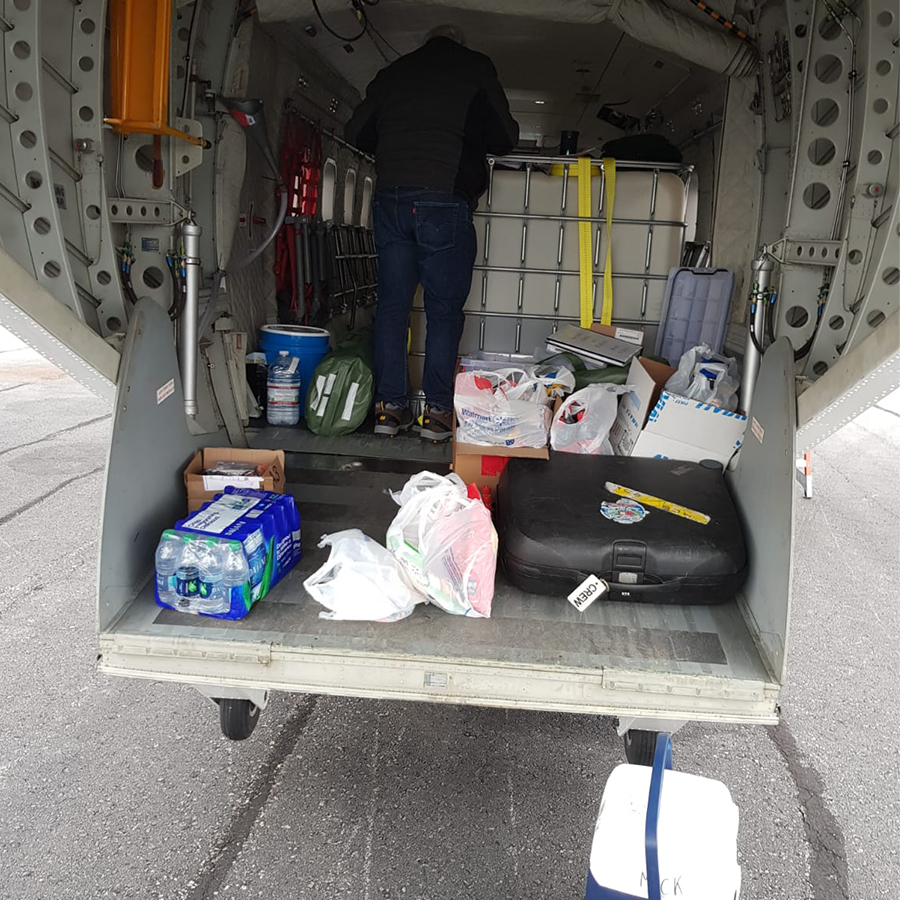
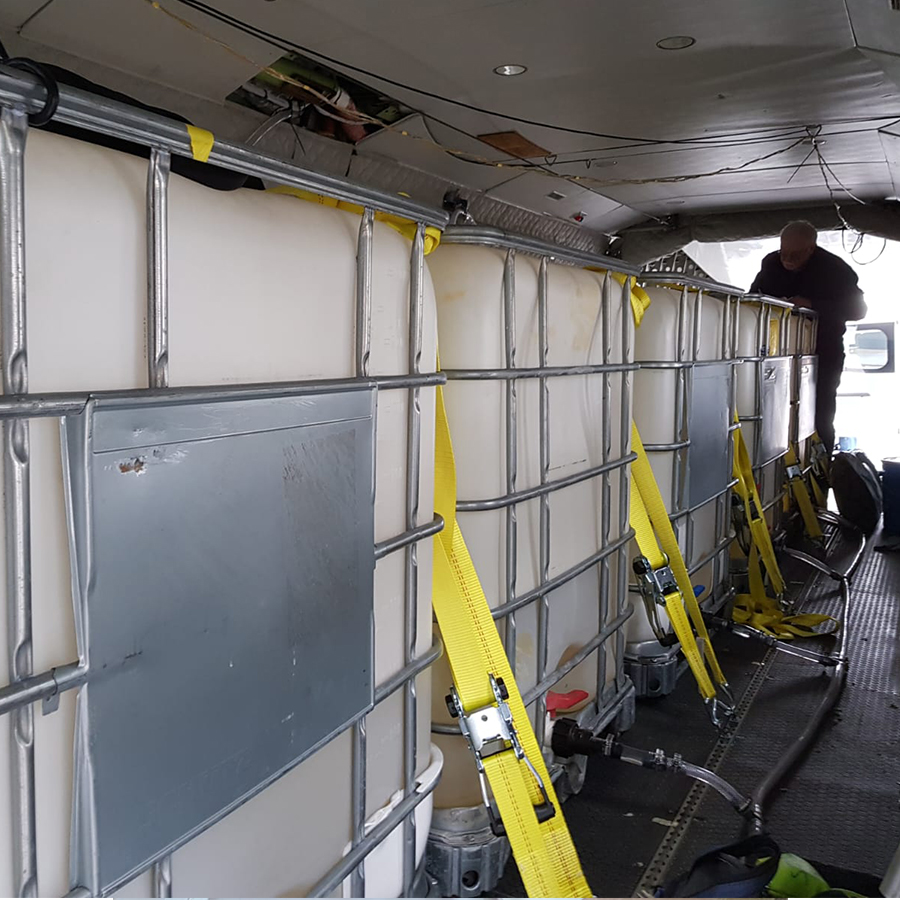
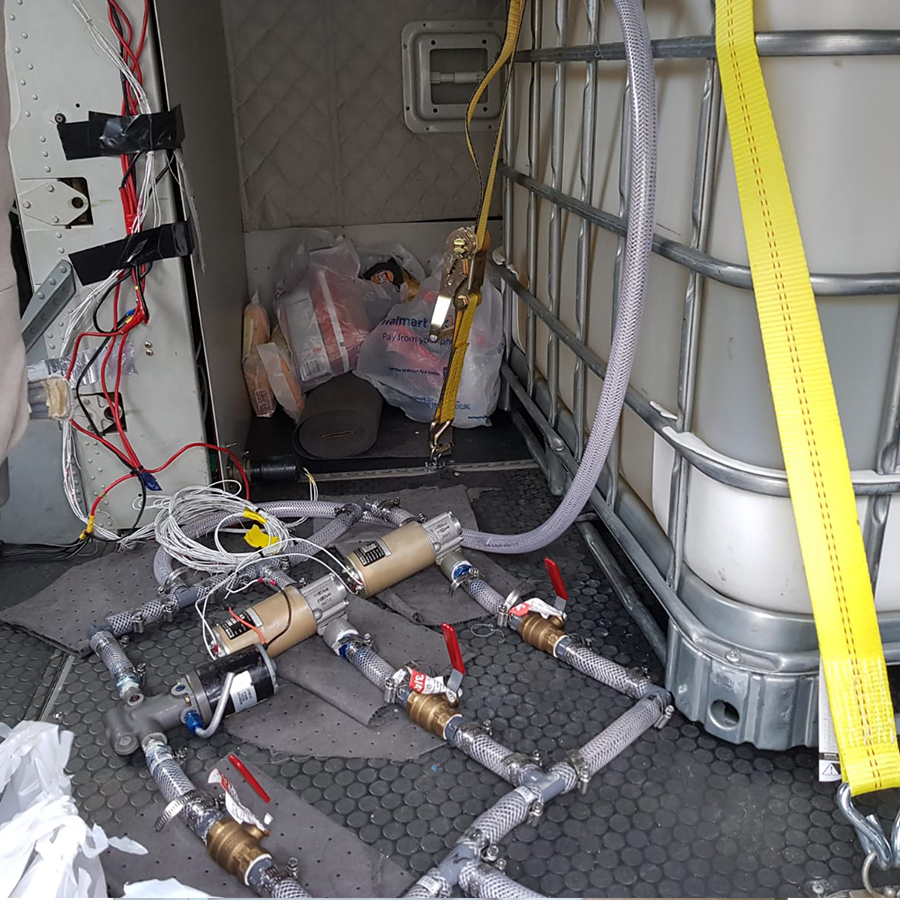
Recently, I ferried a Shorts 330 from Kenya to Chicago.
For those familiar with the type, the Shorts 330 is not exactly blessed with an abundance of power compared with its larger sibling, the Shorts 360. And this particular ferry flight presented another consideration.
The aircraft was not fully equipped for the icing conditions I could expect further north, and it was the beginning of the year, meaning winter conditions were firmly established in the Northern Hemisphere.
That meant looking carefully at the available routing options for the Atlantic crossing. Rather than taking a more northerly route, I opted for the southern part of the North Atlantic, routing via the Cape Verde Islands toward Barbados.
That particular ocean leg is approximately 2,100 nautical miles.
Now consider that the aircraft is travelling at around 180 knots true airspeed, before you even start adding headwinds and other operational considerations.
That is a long time to be looking at nothing but water.
I have also flown numerous Twin Otters and Cessna Caravans across similar routes. The Twin Otter, for example, is considerably slower, at around 150 knots, which makes the importance of proper preparation even more obvious.
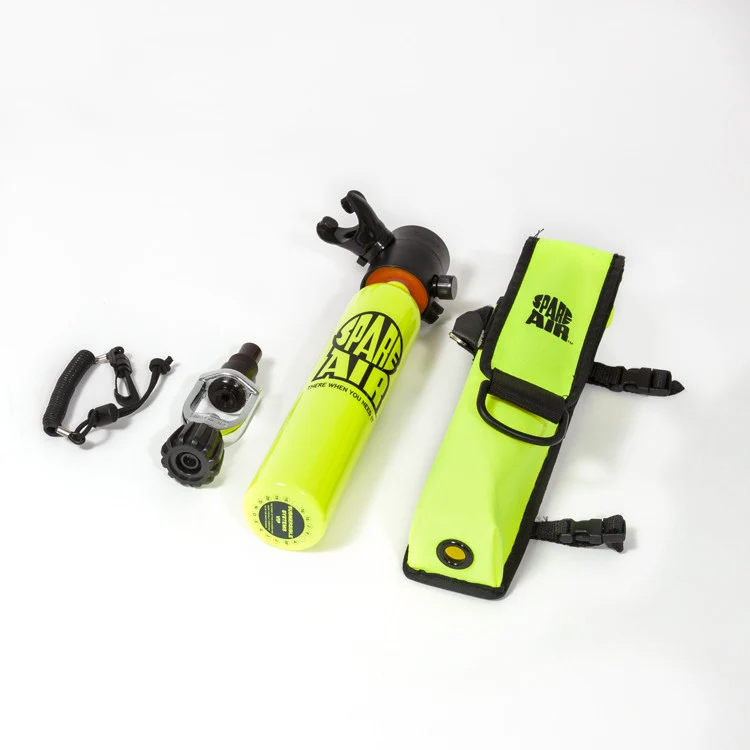
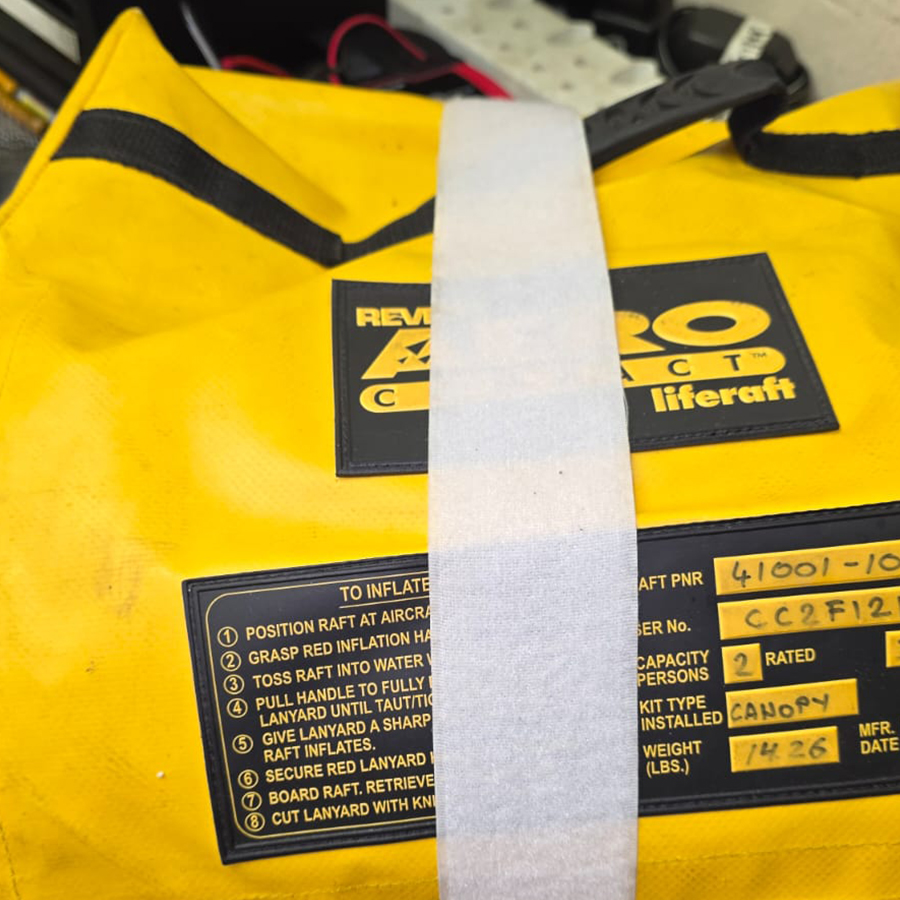
And that brings me back to the subject of my previous article: Survival equipment. More specifically, the humble life raft.
The Life Raft Problem Nobody Tells You About
You would think that carrying a life raft on an oceanic ferry flight would be straightforward.
You have a raft. You take it with you. Job done. Unfortunately, aviation rarely works that way.
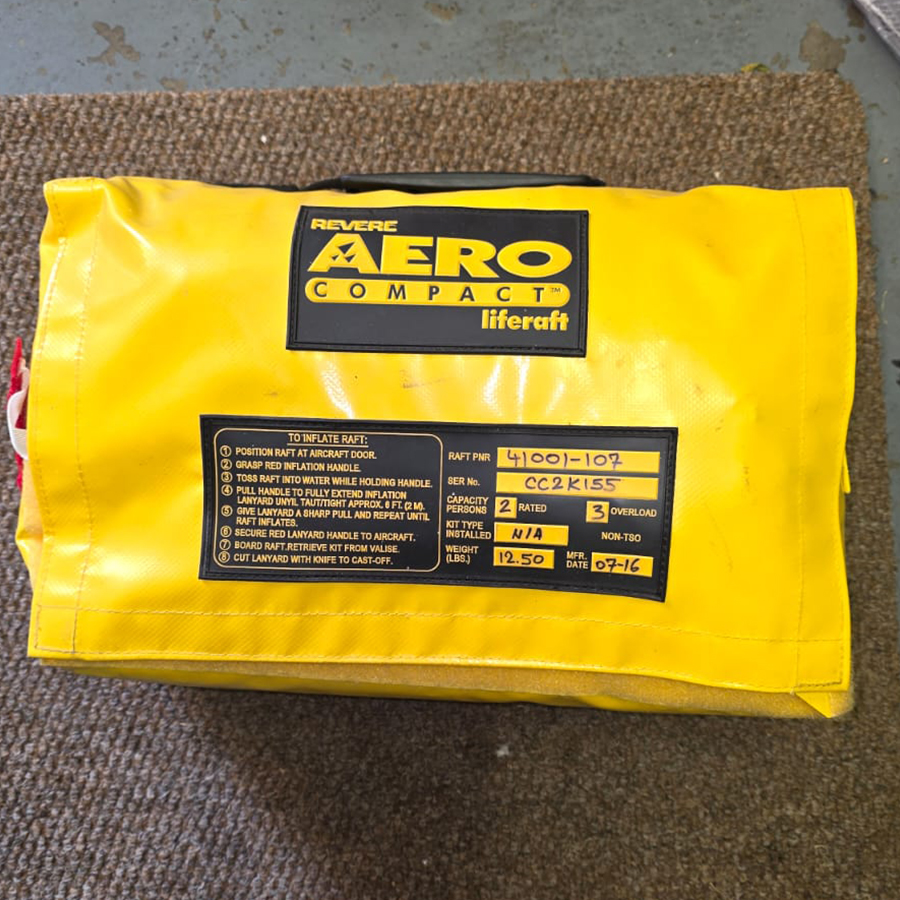
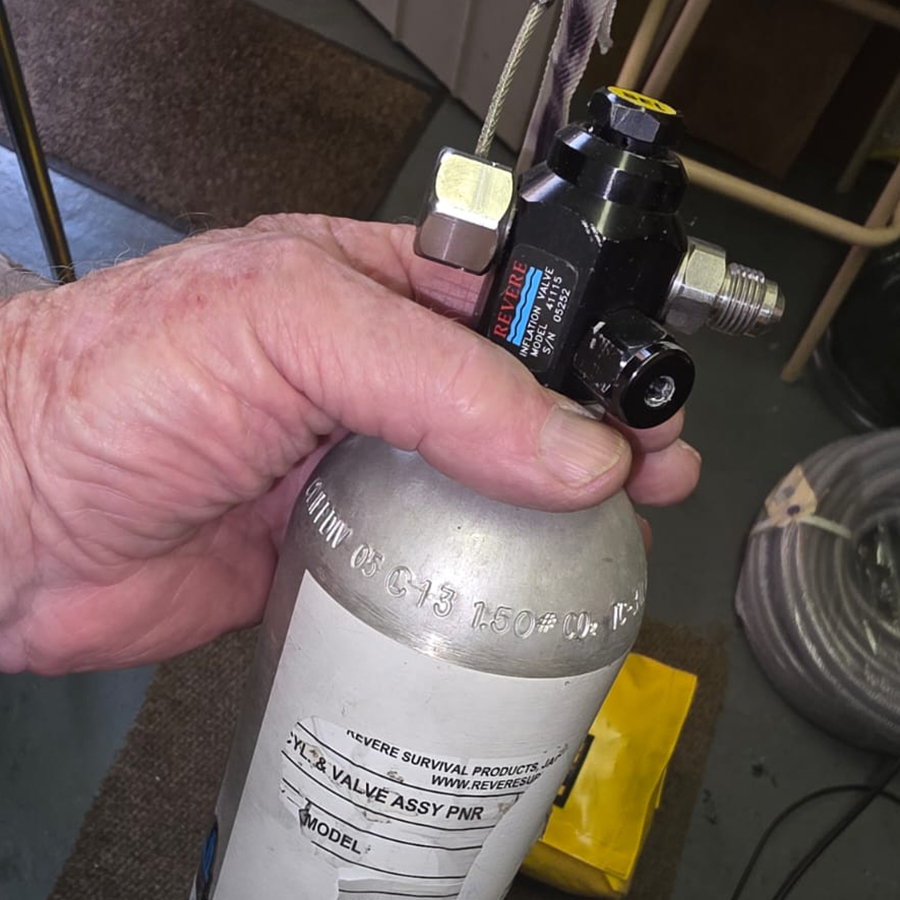
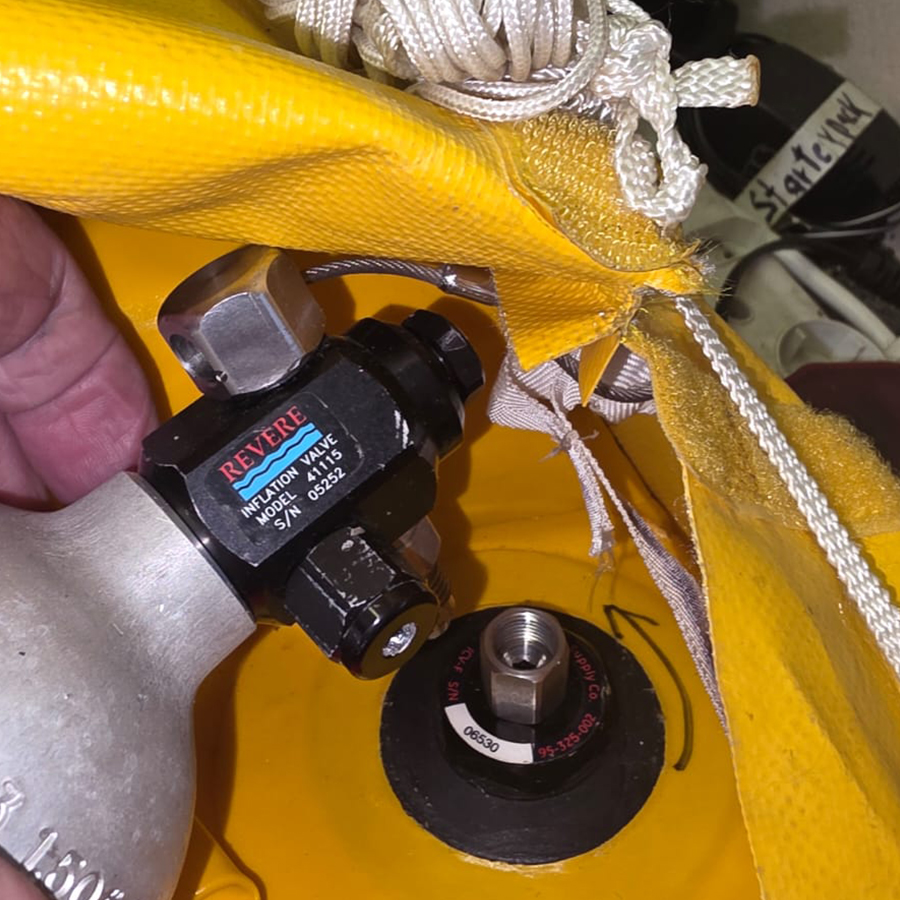
For many years, airlines have had strict restrictions concerning the carriage of life rafts as passenger baggage. The issue is not simply whether the raft itself is approved for aviation use. The inflation cylinder and associated equipment can create problems with airline baggage and dangerous-goods regulations.
Pyrotechnic equipment can create additional restrictions.
So, suddenly, your perfectly legitimate aviation survival equipment becomes a logistical problem before you have even started the ferry flight.
And I have lost a few along the way…
Over the years, I have unfortunately lost three life rafts because of these logistical problems. Shipping a life raft separately can be extremely expensive. In some cases, the cost of shipping the raft as regulated hazardous material can approach the cost of purchasing another raft.
- Then there is the paperwork.
- Then the specialist packaging.
- Then customs.
- Then waiting for it to arrive.
And if you are collecting an aircraft somewhere where customs procedures are not exactly famous for their efficiency, things can become even more entertaining. Let’s just say that getting aviation equipment through customs in some parts of the world can test the patience of even the most relaxed ferry pilot.
The problem with the next owner
There is another issue. When you finally deliver the aircraft, the new owner may not want the life raft. You are then left with an expensive piece of survival equipment that has to be transported somewhere else. And if it has regulated components, you cannot simply throw it into your suitcase and head home.
This is one of those aspects of professional ferry flying that people don’t necessarily see from the outside.
The actual flying is often the easy part.
The logistics surrounding the flying can be considerably more complicated.
Planning Survival Equipment Before You Leave
Over the years, I have developed my own methods for dealing with these logistical challenges, always within the applicable aviation, dangerous-goods, airline and airport requirements.
The important point is this: Do not assume that because a life raft is FAA-approved, airline staff will automatically accept it as baggage.
Those are two completely different questions.
An aviation survival item can be perfectly legitimate for use in an aircraft while still being subject to separate restrictions when you attempt to transport it as airline baggage.
That distinction is important.
Before travelling with a life raft or other specialised survival equipment, I recommend checking the current requirements with the airline, the relevant dangerous-goods regulations and the equipment manufacturer.
And don’t leave it until the last minute.
That is a particularly good piece of advice for ferry pilots.
Make the boring phone calls first
Before starting a long-distance ferry flight, I would rather spend an hour making phone calls and checking regulations than discover at the airport that my survival equipment is not going anywhere.
Because once you are standing at the check-in counter with a large life raft beside you, the negotiation becomes considerably less enjoyable.
And the person behind the counter is not going to be impressed by the fact that you have been flying aircraft for decades.
Their job is to follow the regulations. Your job is to know them before you arrive.
Oceanic Ferry Flying Is About Preparation
A long ocean crossing in a relatively slow aircraft is not something I approach casually. When you are flying a Cessna Caravan, Twin Otter, Shorts 330 or similar aircraft across thousands of nautical miles of ocean, preparation becomes everything.
- Weather.
- Fuel.
- Routing.
- Aircraft capability.
- Communications.
- Navigation.
- Survival equipment.
And, perhaps surprisingly, how you are going to get all that survival equipment to the aircraft in the first place. After 27 years of professional ferry flying, I have learned that the little details are often the things that cause the biggest headaches.
The objective is simple:
- Get the aircraft safely from A to B.
- No rushing.
- No unnecessary risks.
- No trying to be a hero.
And certainly no trying to save a few dollars at the expense of safety. Because when you’re sitting in a small aircraft, somewhere over the Atlantic, with another thousand or two thousand nautical miles of water ahead of you, you tend to appreciate the value of good preparation.
And if everything goes perfectly? Wonderful. That's exactly what we planned for.

A final thought from 27 years of ferry flying
Ferry flying may look glamorous from the outside. You get to see the world, fly interesting aircraft and visit places most people never see. But behind every successful long-range ferry flight is an enormous amount of planning that nobody ever sees.
The flight itself is only one part of the job.
The rest is preparation, logistics, weather planning, paperwork, regulations, equipment and knowing when to say:
“Not today.”
After 27 years, I am still very comfortable saying those three words.
The aircraft will still be there tomorrow.
The information in this article reflects personal experience from professional ferry flying and is not intended as operational, regulatory or dangerous-goods advice. Requirements for life rafts, inflation cylinders, survival equipment and airline baggage vary by airline, country, aircraft and applicable regulations. Always follow current manufacturer instructions, aviation regulations and approved procedures.