

What I Carry on Oceanic Crossings
Over the years, quite a few non-ferry pilots and aspiring ferry pilots have asked me the same question:
“What do you actually carry with you when flying long oceanic routes, particularly in a single-engine aircraft?”
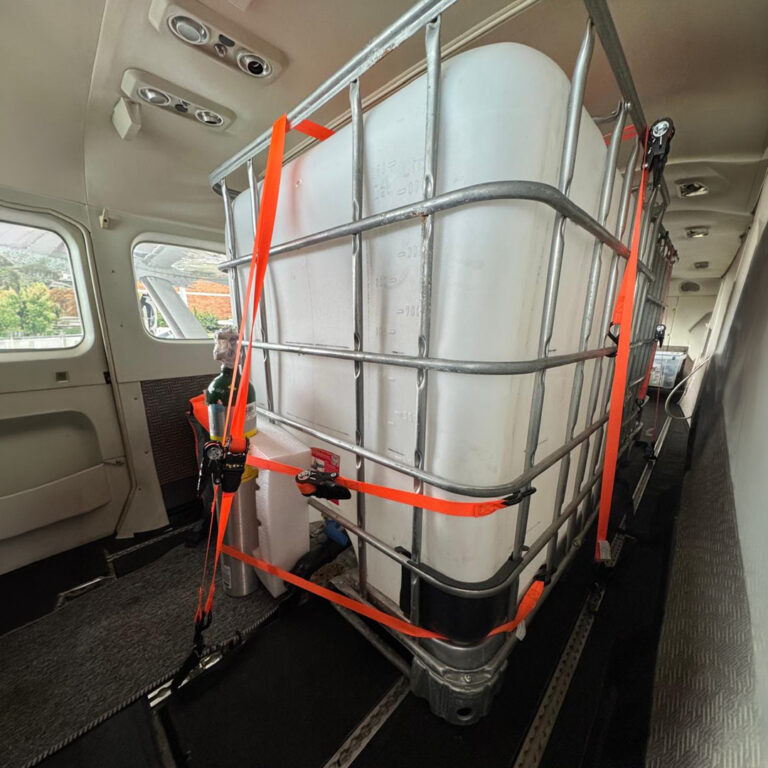
It is a good question, and one that becomes rather more interesting when the nearest piece of land is a very long way away. I personally only fly turbine-powered aircraft on my ferry flights, and recently I had the opportunity to ferry a Cessna Caravan EX roughly halfway around the world, crossing the North Atlantic from west to east, just above the equator.
Unfortunately, because the aircraft was being ferried under a military contract, I cannot share any of the interesting operational details of that particular trip. I can, however, talk about something rather more important: what I consider sensible survival equipment for a long oceanic ferry flight.
And before anybody starts thinking I am preparing for the apocalypse, let me explain something about ferry flying: You hope you will never need any of this equipment.
But aviation has a rather annoying relationship with Murphy’s Law.
The basic survival equipment
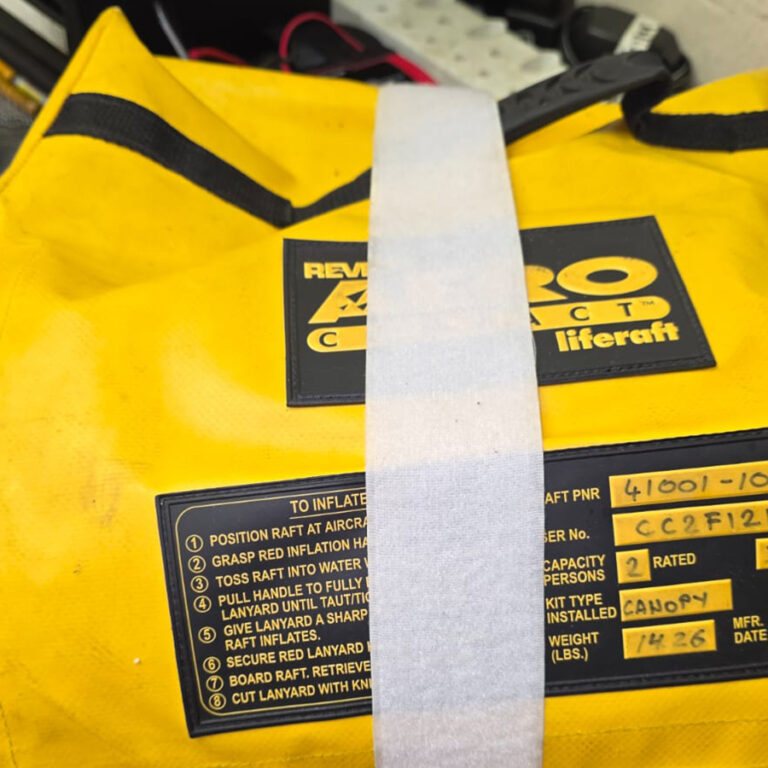
For a long ocean crossing, particularly in a single-engine turbine aircraft, I consider a survival suit and life raft essential pieces of equipment. And there is one detail about life rafts that I would strongly recommend not overlooking:
Get one with a cover.
Do not be tempted to save money by choosing a raft without one.
If you ever find yourself sitting in a life raft in the middle of the ocean, the weather becomes a rather important consideration. In warmer regions, the sun can make the conditions inside the raft extremely uncomfortable. Further north, cold, wet winds are a completely different problem.
The cover can make a very significant difference to your comfort and protection from the elements.
I also like to have a satellite phone available, protected in a waterproof container and secured with the other essential survival equipment.
Naturally, the exact equipment you carry should always be appropriate to the aircraft, route, regulations and professional ferry-flight requirements. This is simply what I have found useful from my own experience.
Water is worth its weight
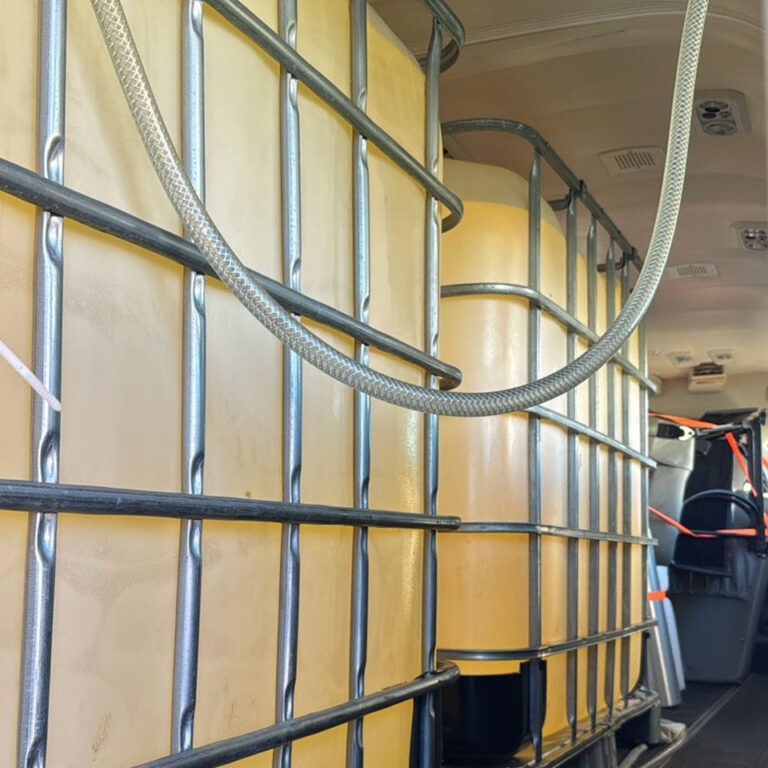
Another item that is very easy to underestimate is drinking water. I carry a generous supply, typically at least five litres. When everything is going according to plan, five litres of water feels like a ridiculous amount to carry.
When things are not going according to plan, you may suddenly find yourself thinking it is not nearly enough. This is where the old saying about Murphy’s Law comes in:
Do all the preparation and nothing will happen. Skip the preparation, and Murphy will happily come looking for you.
After many years of flying, I am quite comfortable with the first option.
A few other useful items
A good knife is another item I carry as part of my emergency equipment, along with other appropriate survival tools.
I also make sure that there is a suitable means of emergency egress available. In a ditching situation, an aircraft can become difficult to exit, particularly if the normal exits are obstructed or the airframe has been damaged.
The important point is not to assume that everything will work exactly as it does on the ground. Water, aircraft damage and an unfamiliar attitude can change the situation very quickly.
One unusual piece of equipment from my diving days
There is one piece of equipment that probably would not be on everybody’s standard ferry-flight checklist.
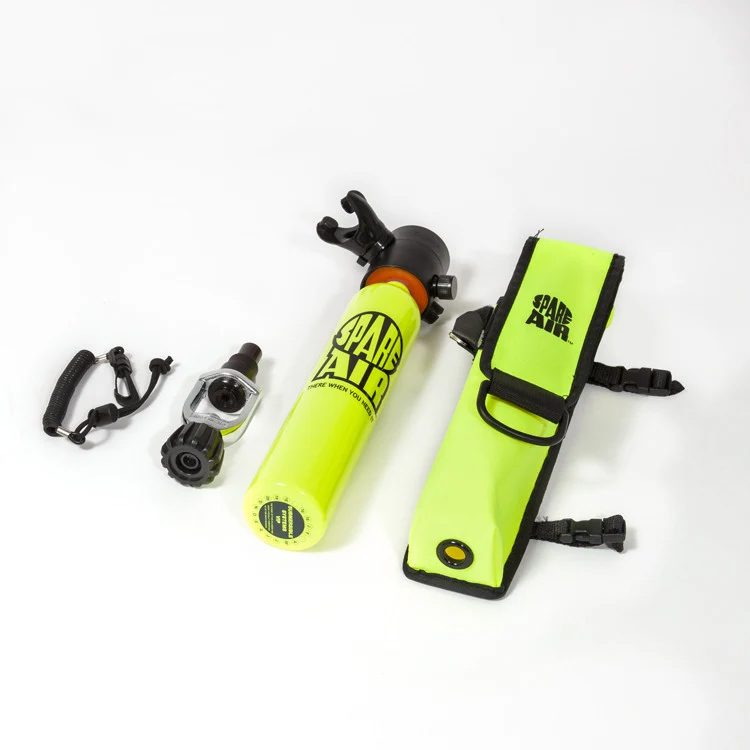
I am an avid scuba diver, and through diving I became familiar with a small compressed-air bottle with an attached mouthpiece. These are commonly sold for emergency diving use under names such as “Spare Air.”
I have found that carrying a small unit of this type as part of my emergency equipment is not necessarily a bad idea when considering an oceanic flight.
The reason is quite simple.
In an emergency involving water entering the cockpit, having a small independent air supply could potentially give you additional breathing time while dealing with the immediate situation and making your way out of the aircraft.
Of course, this is specialised equipment and should never be regarded as a substitute for proper aircraft ditching procedures, training or approved aviation survival equipment.
But when you spend a considerable amount of your flying career crossing large bodies of water, you tend to appreciate having a few additional options available.
I have included a photograph and a Youtube video of the type of device I am referring to below.
Preparation is the boring part of ferry flying
Most ferry flights are, thankfully, rather uneventful. That is exactly how we like them. You take off, fly for hours, cross an ocean, eventually see land again, and wonder why you packed half your house into the aircraft.
But that is the nature of long-distance ferry flying. The survival equipment is there for the flight you hope never happens. A good ferry pilot does not prepare for an emergency because he expects one. He prepares because, when you are several hours from the nearest runway and surrounded by nothing but ocean, being prepared is considerably more comforting than being optimistic.
And if Murphy decides to stay at home?
Even better.
Important note:
Survival equipment requirements vary depending on the aircraft, route, jurisdiction, operator and applicable aviation regulations. The equipment discussed here reflects personal experience and should not replace approved aircraft procedures, regulatory requirements or professional survival training.